Welcome to the future of customer relationship management—where AI-powered CRM software isn’t just a luxury, but a necessity for growth-driven businesses.
What Is AI-Powered CRM Software?

At its core, AI-powered CRM software integrates artificial intelligence technologies into traditional customer relationship management systems to automate tasks, predict customer behavior, and deliver hyper-personalized experiences. Unlike legacy CRM platforms that rely heavily on manual data entry and static reporting, AI-enhanced systems learn from data patterns, adapt in real time, and provide actionable insights.


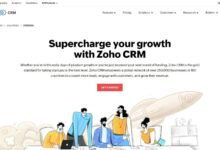

Core Components of AI in CRM
The integration of AI into CRM isn’t a single feature—it’s a suite of intelligent capabilities working together. These include natural language processing (NLP), machine learning (ML), predictive analytics, and robotic process automation (RPA). Together, they transform how sales, marketing, and customer service teams interact with data and customers.
Natural Language Processing (NLP): Enables chatbots and voice assistants to understand and respond to customer queries in real time.For example, Salesforce Einstein uses NLP to analyze customer emails and prioritize follow-ups.Machine Learning (ML): Learns from historical data to predict future outcomes, such as which leads are most likely to convert.HubSpot’s AI tools use ML to score leads based on engagement patterns.Predictive Analytics: Forecasts customer behavior, like churn risk or purchase intent, allowing proactive engagement.
.Microsoft Dynamics 365 leverages predictive scoring to recommend next-best actions.Evolution from Traditional CRM to AI-Driven Systems
Traditional CRM systems were built for data storage and workflow management.While effective for organizing customer information, they lacked the ability to interpret or act on that data intelligently.The shift began in the early 2010s when cloud-based platforms like Salesforce and Zoho started embedding basic automation features..
By the late 2010s, advancements in AI and big data analytics enabled CRM platforms to move beyond automation to prediction and personalization. Today’s AI-powered CRM software doesn’t just record interactions—it anticipates them. According to a Gartner report, the global CRM market is projected to exceed $104 billion in 2023, with AI-driven solutions accounting for over 40% of new deployments.
“AI is not replacing CRM—it’s redefining it. The future belongs to systems that don’t just manage relationships, but understand them.” — Gartner Research, 2023
Top 7 Benefits of AI-Powered CRM Software
Adopting AI-powered CRM software offers transformative advantages across departments. From boosting sales efficiency to enhancing customer satisfaction, the impact is measurable and scalable. Let’s explore the seven most compelling benefits.
1. Enhanced Lead Scoring and Conversion Rates
One of the most impactful uses of AI in CRM is intelligent lead scoring. Traditional lead scoring relies on static rules—like job title or company size. AI-powered CRM software, however, analyzes hundreds of behavioral signals such as email opens, website visits, content downloads, and social media engagement to assign dynamic scores.
For instance, Salesforce Einstein uses machine learning to identify patterns in past conversions and applies them to new leads. This results in a 30–50% improvement in lead-to-opportunity conversion rates, according to internal Salesforce case studies.
- Reduces time spent on unqualified leads
- Increases sales team productivity by focusing on high-potential prospects
- Enables real-time adjustments based on changing customer behavior
2. Hyper-Personalized Customer Experiences
Customers today expect personalized interactions. AI-powered CRM software enables businesses to deliver tailored content, product recommendations, and communication timing at scale. By analyzing past purchases, browsing behavior, and sentiment, AI models predict what a customer wants—before they ask.
For example, Amazon’s CRM-like backend uses AI to recommend products with 35% of revenue coming from personalized suggestions. Similarly, platforms like Zoho CRM with Zia AI help marketers create dynamic email campaigns that adapt based on recipient behavior.
“Personalization is no longer a nice-to-have; it’s the price of entry.” — McKinsey & Company
3. Predictive Customer Service and Proactive Support
AI-powered CRM software transforms customer service from reactive to proactive. By analyzing support ticket history, product usage data, and sentiment analysis from chat or email, AI can predict when a customer might face an issue and trigger preemptive outreach.
For example, if a SaaS user hasn’t logged in for 10 days and their usage dropped by 70%, the system can automatically send a personalized check-in email or assign a support agent to reach out. This reduces churn and improves customer satisfaction (CSAT) scores.
- Reduces average resolution time by up to 40%
- Enables 24/7 support via AI chatbots with human escalation paths
- Improves first-contact resolution rates through intelligent routing
4. Smarter Sales Forecasting and Pipeline Management
Sales leaders no longer have to rely on gut feeling or spreadsheets. AI-powered CRM software analyzes historical deal data, sales cycles, team performance, and external factors (like seasonality) to generate accurate revenue forecasts.
Tools like Microsoft Dynamics 365 Sales use AI to highlight at-risk deals, suggest follow-up actions, and predict close probabilities with over 85% accuracy in controlled environments. This allows managers to intervene early and adjust strategies in real time.
5. Automated Data Entry and Administrative Tasks
Sales reps spend nearly 34% of their time on administrative tasks like logging calls, updating records, and scheduling meetings—time that could be spent selling. AI-powered CRM software automates these processes through voice-to-text transcription, email parsing, and calendar integration.
For example, Oracle CX Sales uses AI to automatically log customer interactions from emails and calls into the CRM, reducing manual entry by up to 60%. This not only boosts productivity but also improves data accuracy.
6. Real-Time Sentiment Analysis and Feedback Interpretation
Understanding how customers feel is critical. AI-powered CRM software uses sentiment analysis to scan emails, chat transcripts, social media mentions, and survey responses to detect emotions like frustration, satisfaction, or urgency.
This capability allows companies to escalate negative experiences immediately and reward positive ones with personalized offers. For instance, a telecom company using AI CRM detected a surge in negative sentiment around a new billing policy and adjusted its communication strategy within 48 hours, preventing a potential PR crisis.
7. Seamless Omnichannel Engagement
Modern customers interact across multiple channels—email, phone, social media, live chat, and messaging apps. AI-powered CRM software unifies these touchpoints into a single customer view, ensuring consistent and context-aware interactions.
For example, if a customer starts a conversation on WhatsApp and continues via email, the AI CRM remembers the context and history, eliminating the need to repeat information. This seamless experience increases customer loyalty and reduces friction in the buyer journey.
How AI-Powered CRM Software Transforms Sales Teams
Sales is perhaps the department that benefits most from AI-powered CRM software. From prospecting to closing, AI enhances every stage of the sales funnel, enabling reps to work smarter, not harder.
Intelligent Prospecting and Outreach Automation
Finding the right prospects used to be a game of guesswork and cold calling. Now, AI-powered CRM software can scan public databases, social profiles, and intent signals (like website visits or content downloads) to identify high-intent leads.
Platforms like LinkedIn Sales Navigator integrated with AI CRM tools can suggest ideal prospects based on firmographic and behavioral data. Outreach emails can then be auto-generated using AI copywriting assistants, increasing response rates by up to 50%.
AI-Driven Sales Coaching and Performance Insights
AI doesn’t just help reps sell—it helps them improve. By analyzing call recordings, email tone, and deal progression, AI-powered CRM software provides real-time coaching suggestions.
For example, Gong.io (now part of Gong CRM) uses AI to identify patterns in successful deals, such as which questions top performers ask during discovery calls. Managers can then use these insights to train the entire team, reducing ramp time for new hires by 30–40%.
Dynamic Pricing and Deal Optimization
In complex B2B sales, pricing can make or break a deal. AI-powered CRM software analyzes historical win/loss data, competitor pricing, and customer willingness to pay to recommend optimal pricing strategies.
This is especially valuable in industries like manufacturing or enterprise software, where deals are negotiated individually. AI models can simulate different pricing scenarios and predict the likelihood of acceptance, helping sales teams close more deals at better margins.
Revolutionizing Marketing with AI-Powered CRM Software
Marketing teams are leveraging AI-powered CRM software to move from batch-and-blast campaigns to precision-targeted, behavior-driven strategies. The result? Higher engagement, lower acquisition costs, and better ROI.
Predictive Campaign Optimization
Instead of waiting for A/B test results, AI-powered CRM software predicts which campaign variants will perform best before launch. By analyzing past campaign data, audience segments, and timing, AI models simulate outcomes and recommend the best-performing combinations.
For example, Adobe Experience Cloud uses AI to optimize email send times, subject lines, and content layouts, resulting in open rates that are 20–30% higher than manual campaigns.
Customer Journey Mapping and Behavioral Triggers
AI-powered CRM software creates dynamic customer journey maps based on real-time behavior. If a user abandons a cart, the system can trigger a personalized discount offer. If they read a pricing page three times, it can prompt a live chat with a sales rep.
These micro-moments of engagement, powered by AI, increase conversion rates and reduce drop-offs. According to a 2022 IBM study, companies using AI for journey personalization saw a 25% increase in customer retention.
Content Personalization at Scale
AI-powered CRM software enables dynamic content generation tailored to individual users. Whether it’s a landing page, email, or ad copy, the system adjusts messaging based on the user’s industry, role, past behavior, and preferences.
For instance, a financial services firm might show different investment options to a young professional versus a retiree—automatically, without manual segmentation. This level of personalization was once reserved for enterprise brands but is now accessible to mid-sized businesses through AI CRM platforms.
AI-Powered CRM in Customer Service: The Rise of the Virtual Agent
Customer service is undergoing a quiet revolution, thanks to AI-powered CRM software. From chatbots to voice assistants, AI is handling routine inquiries, freeing human agents for complex issues.
24/7 AI Chatbots with Contextual Understanding
Modern AI chatbots are no longer limited to scripted responses. Powered by NLP and deep learning, they understand context, remember past interactions, and escalate to humans when needed.
For example, ServiceNow’s Virtual Agent integrates with CRM data to provide personalized support—like checking order status or resetting passwords—without requiring the customer to repeat information.
Intelligent Ticket Routing and Case Prioritization
AI-powered CRM software analyzes incoming support tickets and automatically routes them to the right agent based on expertise, workload, and urgency. It can also prioritize cases by sentiment—if a customer uses words like “angry” or “cancel,” the ticket jumps the queue.
This reduces resolution time and improves customer satisfaction. A study by Zendesk found that AI-powered routing reduced average handle time by 22% and increased CSAT by 15 points.
Self-Service Portals with AI-Powered Search
Many customers prefer to solve issues on their own. AI-powered CRM software enhances self-service portals with smart search that understands natural language queries.
For instance, typing “I can’t log in to my account” returns not just generic FAQs, but step-by-step troubleshooting guides, video tutorials, and a direct chat option—all personalized based on the user’s account status and past issues.
Key Features to Look for in AI-Powered CRM Software
Not all AI-powered CRM software is created equal. When evaluating platforms, look for these essential features to ensure you’re getting real AI value, not just marketing hype.
Real-Time Data Processing and Insights
The best AI CRM systems process data in real time, not in batches. This means insights and recommendations are always up to date. For example, if a customer visits your pricing page right after a demo, the system should immediately notify the sales rep.
Real-time processing is powered by in-memory databases and streaming analytics engines like Apache Kafka, which are now standard in leading platforms like Salesforce and Microsoft Dynamics.
Customizable AI Models and Workflows
Off-the-shelf AI models may not fit your business perfectly. Look for CRM platforms that allow you to train custom models using your own data. For example, you might want to predict churn for a specific product line or segment.
Platforms like SugarCRM offer no-code AI builders that let business users create custom predictions without needing data science expertise.
Integration with External Data Sources
AI is only as good as the data it consumes. The best AI-powered CRM software integrates with external sources like social media, ERP systems, marketing automation tools, and third-party data providers (e.g., Dun & Bradstreet for firmographics).
For example, integrating LinkedIn Sales Navigator with your CRM allows AI to enrich lead profiles with job changes, company news, and engagement signals—giving sales teams a competitive edge.
Challenges and Risks of AI-Powered CRM Software
While the benefits are substantial, adopting AI-powered CRM software comes with challenges. Organizations must navigate data privacy, algorithmic bias, and change management to realize its full potential.
Data Privacy and Compliance Concerns
AI systems require vast amounts of customer data, raising concerns about GDPR, CCPA, and other privacy regulations. Companies must ensure that data is collected, stored, and processed transparently and securely.
For example, AI models that analyze customer emails for sentiment must have explicit consent and clear opt-out mechanisms. Leading CRM vendors now offer built-in compliance dashboards to help manage these requirements.
Risk of Algorithmic Bias
AI models can inherit biases from historical data. If past sales data shows that only certain demographics were approved for credit, an AI model might unfairly replicate that bias.
To mitigate this, companies must audit AI models regularly, use diverse training data, and implement fairness checks. Salesforce, for instance, has introduced an AI Ethics Review Board to oversee responsible AI development.
User Adoption and Change Management
Even the most advanced AI CRM will fail if users don’t trust or understand it. Sales reps may resist AI recommendations if they seem arbitrary or override their judgment.
Successful adoption requires training, transparency (e.g., explaining why a lead was scored a certain way), and gradual rollout. Companies that invest in change management see 3x higher ROI from AI CRM implementations.
Future Trends in AI-Powered CRM Software
The evolution of AI-powered CRM software is far from over. Emerging technologies like generative AI, voice analytics, and autonomous agents are set to redefine customer relationships in the coming years.
Generative AI for Content and Communication
Generative AI models like GPT-4 are being integrated into CRM platforms to draft emails, create sales proposals, and generate personalized marketing copy.
For example, Salesforce Einstein GPT can automatically write a follow-up email after a meeting, summarize call transcripts, or generate a customer success story—all in the brand’s voice.
Voice Analytics and Emotion Detection
Future AI-powered CRM software will analyze not just what customers say, but how they say it. Voice analytics can detect stress, hesitation, or enthusiasm in real time, allowing agents to adjust their approach.
Companies like Cogito already offer AI tools that provide real-time feedback to call center agents, improving empathy and reducing escalations.
Autonomous CRM Agents
Imagine a fully autonomous CRM agent that schedules meetings, follows up on leads, and even negotiates simple contracts without human input. While still in early stages, this vision is becoming possible with advances in AI reasoning and workflow automation.
These agents will operate as digital employees, handling routine tasks and escalating only when human judgment is needed.
What is AI-powered CRM software?
AI-powered CRM software integrates artificial intelligence technologies like machine learning, natural language processing, and predictive analytics into customer relationship management systems to automate tasks, predict customer behavior, and deliver personalized experiences.
How does AI improve lead scoring in CRM?
AI improves lead scoring by analyzing hundreds of behavioral and demographic signals in real time, assigning dynamic scores based on likelihood to convert, and continuously learning from new data to refine predictions.
Can AI-powered CRM replace human sales reps?
No, AI-powered CRM does not replace human sales reps but enhances their productivity by automating administrative tasks, providing insights, and enabling hyper-personalized engagement, allowing reps to focus on relationship-building.
Is AI CRM suitable for small businesses?
Yes, many AI-powered CRM platforms like Zoho CRM, HubSpot, and Freshsales offer affordable, scalable solutions tailored for small businesses, providing enterprise-level intelligence without the complexity.
What are the risks of using AI in CRM?
Risks include data privacy violations, algorithmic bias, over-reliance on automation, and low user adoption. These can be mitigated through ethical AI practices, transparency, and proper training.
The rise of AI-powered CRM software marks a turning point in how businesses manage customer relationships. From smarter sales forecasting to proactive customer service and hyper-personalized marketing, AI is transforming CRM from a data repository into a strategic growth engine. While challenges around privacy, bias, and adoption remain, the benefits far outweigh the risks for organizations willing to embrace change. As generative AI, voice analytics, and autonomous agents continue to evolve, the future of CRM will be defined not by how much data we collect, but by how intelligently we use it to create meaningful customer experiences.
Recommended for you 👇
Further Reading:
