Choosing the right CRM system pricing model can make or break your business growth. With so many options, hidden fees, and confusing tiers, it’s easy to overspend. Let’s cut through the noise and reveal what you’re really paying for.
Understanding CRM System Pricing Basics

Customer Relationship Management (CRM) systems have become essential tools for businesses aiming to streamline sales, marketing, and customer service. However, one of the biggest hurdles companies face is understanding how CRM system pricing works. It’s not just about monthly fees—there are layers of costs, features, and scalability factors that influence your total investment.


What Is CRM System Pricing?
CRM system pricing refers to the cost structure associated with acquiring and maintaining a CRM platform. This includes subscription fees, setup costs, customization, integration, training, and ongoing support. Unlike a one-time software purchase, most modern CRMs operate on a Software-as-a-Service (SaaS) model, meaning you pay regularly—usually monthly or annually—based on usage, features, and number of users.
According to Gartner, the global CRM software market exceeded $50 billion in 2023, driven largely by cloud-based solutions. This growth reflects the increasing reliance on data-driven customer engagement, but it also means more complexity in pricing models.
Why CRM Pricing Varies So Much
The wide variation in CRM system pricing stems from several factors: business size, industry, deployment method (cloud vs. on-premise), feature depth, and vendor strategy. For example, a small business might pay $12/user/month for basic contact management, while an enterprise could spend over $300/user/month for AI-powered analytics and automation.
- Vendor Branding: Established brands like Salesforce or HubSpot often charge premiums for reputation and ecosystem integration.
- Feature Tiers: Vendors segment features into “Essential,” “Professional,” and “Enterprise” plans, each with escalating prices.
- Customization Needs: Highly tailored workflows, API access, and third-party integrations increase costs significantly.
“Pricing isn’t just about the sticker price—it’s about the value delivered per dollar spent.” — CRM Industry Analyst, Forrester Research
Types of CRM System Pricing Models
Not all CRM systems charge the same way. Understanding the different pricing models helps you choose the most cost-effective option for your business. The model impacts not only your budget but also scalability and long-term ROI.
Subscription-Based Pricing
This is the most common CRM system pricing model. You pay a recurring fee—monthly or annually—per user or per feature tier. Examples include Zoho CRM, Freshsales, and Salesforce Sales Cloud.
Subscription plans often include automatic updates, cloud hosting, and basic support. Annual contracts usually offer a 10–20% discount compared to monthly billing. However, long-term commitments can lock you into a platform even if your needs change.
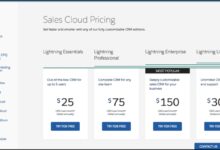
For instance, Salesforce starts at $25/user/month for its Essentials plan but jumps to $300/user/month for Unlimited, showing how quickly costs can escalate with advanced features.
Per-User vs. Per-Feature Pricing
Many vendors use a per-user model, where each employee accessing the CRM is counted. Others, like Pipedrive, offer flat-rate pricing regardless of user count, which benefits teams with many contributors.
Per-feature pricing, on the other hand, charges based on modules added—such as marketing automation, AI insights, or telephony integration. This can be more flexible but risks “feature creep,” where small add-ons accumulate into a high bill.
- Per-User: Ideal for small to mid-sized teams with defined roles.
- Flat-Rate: Great for collaborative environments or startups testing CRM adoption.
- Hybrid Models: Combine user count and feature access (e.g., HubSpot’s free tier with paid add-ons).
One-Time Licensing (On-Premise)
Less common today, on-premise CRM systems require a one-time license fee plus ongoing maintenance costs. While this avoids recurring SaaS fees, it demands internal IT resources for hosting, security, and updates.
Vendors like Microsoft Dynamics 365 offer both cloud and on-premise options. The upfront cost can range from $1,000 to $5,000 per user, with annual maintenance at 20–25% of the license fee. This model suits large enterprises with strict data control requirements but is often cost-prohibitive for SMEs.
“On-premise CRM is like buying a house; SaaS is like renting an apartment—you trade control for convenience.” — TechCrunch, 2022
Hidden Costs in CRM System Pricing
The advertised price of a CRM is rarely the full story. Hidden costs can inflate your budget by 30–50% if not anticipated. These are often overlooked during initial evaluations but become critical during implementation and scaling.
Implementation and Setup Fees
Even cloud-based CRMs require setup: data migration, user training, workflow design, and integration with existing tools. Some vendors include this in the package; others charge separately.
For example, Salesforce implementation can cost between $5,000 and $50,000 depending on complexity. Smaller platforms like Insightly offer free setup, but only for basic configurations. If you need custom fields or automation rules, professional services may cost $150/hour.
According to Nucleus Research, companies spend an average of 1.5x the annual license fee on implementation alone.
Integration and API Costs
CRMs don’t work in isolation. You’ll likely need to connect them to email, calendars, e-commerce platforms, or ERP systems. While basic integrations (e.g., Gmail or Outlook) are often free, advanced API usage may incur extra charges.
CRM system pricing – CRM system pricing menjadi aspek penting yang dibahas di sini.
Some platforms limit API calls per month. Exceeding these limits can trigger overage fees. For instance, HubSpot charges $50/month for every 10,000 additional API calls beyond the Professional plan’s allowance.
- Common integration costs include:
- Payment gateways (Stripe, PayPal)
- Marketing tools (Mailchimp, ActiveCampaign)
- Telephony (Zoom, RingCentral)
Training and Support Expenses
User adoption is a major challenge in CRM success. Without proper training, employees may underutilize the system, reducing ROI. While some vendors offer free onboarding, advanced training or certification programs can cost hundreds per user.
Support tiers also vary. Basic email support is usually included, but phone or 24/7 priority support often requires an upgrade. Salesforce’s Premium Support adds $50/user/month, while Zendesk charges $75/agent/month for its highest tier.
“70% of CRM failures are due to poor user adoption, not the software itself.” — Harvard Business Review
Top CRM Platforms and Their Pricing Breakdown
To make informed decisions, let’s compare leading CRM platforms based on their CRM system pricing, features, and value for different business sizes.
Salesforce: The Enterprise Leader
Salesforce dominates the CRM market with a 19.8% share (Statista, 2023). Its pricing is tiered:
- Essentials: $25/user/month – Basic sales automation
- Professional: $75/user/month – Customization, email integration
- Enterprise: $150/user/month – Advanced analytics, API access
- Unlimited: $300/user/month – 24/7 support, sandbox environments
While powerful, Salesforce’s true cost lies in add-ons like Einstein AI ($50/user/month) or Marketing Cloud ($400+/month). Implementation often requires third-party consultants, pushing total costs into six figures for mid-sized firms.
Learn more at salesforce.com.
HubSpot: Best for Startups and SMBs
HubSpot stands out with a forever-free CRM plan, making it ideal for startups. Paid tiers include:
- Starter: $45/month (up to 1M contacts)
- Professional: $450/month (sales hub)
- Enterprise: $1,200/month (advanced automation)
HubSpot’s CRM system pricing is transparent, but costs rise quickly when adding marketing, service, or CMS hubs. However, its all-in-one platform reduces the need for third-party tools, potentially saving money long-term.
Explore pricing at hubspot.com/pricing.
Microsoft Dynamics 365: Scalable for Mid to Large Businesses
Dynamics 365 offers modular pricing, allowing businesses to pay only for needed components:
- Sales Professional: $65/user/month
- Customer Service: $95/user/month
- Field Service: $95/user/month
- Full Suite: $225/user/month
Its deep integration with Microsoft 365 and Azure makes it attractive for enterprises already in the Microsoft ecosystem. However, customization and reporting tools require technical expertise, increasing reliance on consultants.
“Dynamics 365 is the most underrated CRM for mid-market scalability.” — ZDNet, 2023
How to Choose the Right CRM System Pricing Plan
Selecting the right CRM isn’t just about the lowest price—it’s about alignment with your business goals, team size, and growth trajectory. A poorly chosen plan can lead to wasted spending or operational bottlenecks.
Assess Your Business Needs
Start by defining your core objectives: Are you improving sales tracking? Automating marketing? Enhancing customer support? Each goal requires different CRM features.
For example, a real estate agency might prioritize lead scoring and mobile access, while an e-commerce brand needs order tracking and customer segmentation. Map your workflows before evaluating CRM system pricing.
- Key questions to ask:
- How many users need access?
- Do you need mobile functionality?
- What third-party tools must integrate?
Consider Scalability and Future Growth
A CRM that fits today may not support tomorrow’s needs. Choose a platform with flexible pricing tiers that grow with you. Avoid vendors that charge exorbitant fees for upgrading plans or adding users.
Look for:
- Seamless plan upgrades without data migration
- Volume discounts for 50+ users
- API access for future automation
For instance, Zoho CRM offers a “free for life” plan for up to 3 users, then scales affordably to $52/user/month for its Enterprise plan—making it one of the most scalable options.
CRM system pricing – CRM system pricing menjadi aspek penting yang dibahas di sini.
Evaluate Total Cost of Ownership (TCO)
TCO includes all direct and indirect costs over 3–5 years: licensing, implementation, training, support, integrations, and downtime during transitions.
Use this formula:
TCO = (Annual License × 5) + Implementation + (Training × Users) + (Support Fees × 5) + Integration Costs
A $50/user/month CRM with $10,000 in setup and training can cost $40,000+ over five years for a 10-person team. Compare this across vendors to see true value.
Free vs. Paid CRM: Is Free Really Better?
Free CRMs like HubSpot, Zoho, and Freshsales attract startups with zero upfront cost. But are they sustainable long-term?
Pros of Free CRM Systems
Free CRMs lower the barrier to entry and allow small teams to test functionality without risk. They often include core features like contact management, deal tracking, and basic reporting.
- No financial commitment
- Quick setup and onboarding
- Good for solopreneurs or micro-businesses
HubSpot’s free CRM, for example, supports unlimited users and contacts, making it highly accessible.
Cons of Free CRM Systems
Free plans come with limitations:
- Limited automation (e.g., only 1,000 emails/month)
- No API access or custom reporting
- Branding in emails (e.g., “Powered by Zoho”)
- Delayed support or no phone assistance
As your business grows, you’ll likely need to upgrade, which can disrupt workflows and increase costs unexpectedly.
“Free CRMs are like training wheels—they help you start, but you’ll outgrow them fast.” — SaaS Industry Insider
When to Upgrade to a Paid Plan
Consider upgrading when:
- You exceed contact or email limits
- Team members complain about missing features
- You need integration with accounting or ERP software
- Sales cycles are too long due to manual processes
Most experts recommend evaluating paid options once you hit 5+ users or $500K in annual revenue.
Negotiating CRM System Pricing: Tips and Tactics
CRM pricing isn’t always fixed. Many vendors are open to negotiation, especially for annual contracts or large teams.
Ask for Discounts and Bundles
Vendors often have unadvertised discounts. Always ask:
- “Do you offer nonprofit or startup pricing?”
- “Can I get a multi-year discount?”
- “Are there bundle deals for CRM + Marketing Automation?”
For example, Salesforce offers up to 30% off for nonprofits, while Zoho provides free upgrades for educational institutions.
Leverage Competitor Quotes
Use quotes from competitors as leverage. If HubSpot offers a $500/month plan, show that to Pipedrive and ask for a better deal. Sales teams are often authorized to match or beat rival offers to close deals.
A Capterra survey found that 68% of buyers who negotiated saved at least 15% on their final CRM system pricing.
Request Free Trials and Demos
Never commit without testing. Most CRMs offer 14–30 day free trials. Use this time to:
- Import real data
- Test key workflows
- Train your team
- Check integration stability
Demos help you assess usability and support quality—critical factors that impact long-term satisfaction.
Future Trends in CRM System Pricing
The CRM landscape is evolving. Pricing models are becoming more flexible, usage-based, and AI-driven. Staying ahead of trends ensures you get the best value.
CRM system pricing – CRM system pricing menjadi aspek penting yang dibahas di sini.
Rise of Usage-Based Pricing
Instead of per-user fees, some vendors are shifting to usage-based models—charging based on emails sent, calls made, or leads processed. This benefits businesses with fluctuating activity.
For example, Salesflare offers pay-per-lead pricing, ideal for seasonal businesses. This model aligns cost with actual value delivered.
AI and Automation Impact on Cost
AI features like predictive lead scoring, chatbots, and sentiment analysis are becoming standard—but often at a premium. Expect to pay 20–50% more for AI-enhanced plans.
However, AI can reduce labor costs by automating follow-ups and data entry, potentially offering a positive ROI despite higher CRM system pricing.
According to McKinsey, AI-powered CRMs can increase sales productivity by 20–30%.
Consolidation of CRM Suites
Vendors are bundling CRM with marketing, service, and commerce tools into unified platforms. While this increases base pricing, it reduces the need for multiple subscriptions.
HubSpot’s “Growth Suite” and Salesforce’s “Customer 360” are examples. These all-in-one solutions offer better data cohesion and lower integration costs, making them cost-effective in the long run.
What is the average cost of a CRM system?
The average CRM system pricing ranges from $12 to $250 per user per month. Small businesses typically spend $50–$150/month, while enterprises can pay tens of thousands annually. The median cost for a mid-sized company (10–50 users) is around $800/month.
Are there any truly free CRM systems?
Yes, several CRMs offer free plans with core features. HubSpot, Zoho CRM, and Freshsales provide free tiers for unlimited users or up to 3 users. However, advanced features like automation, reporting, and integrations require paid upgrades.
Can I negotiate CRM pricing?
Absolutely. Most vendors allow negotiation, especially for annual payments, multi-user licenses, or nonprofit status. Always ask for discounts, free training, or extended trials to reduce your total cost.
What factors increase CRM costs?
Key cost drivers include number of users, advanced features (AI, analytics), customization, integration complexity, implementation services, and premium support. Hidden fees often come from data migration and API overages.
Which CRM offers the best value for small businesses?
Zoho CRM and HubSpot are widely regarded as the best value for small businesses. Zoho offers deep functionality at low prices, while HubSpot’s free plan and intuitive interface make it ideal for startups.
Choosing the right CRM system pricing model requires more than just comparing monthly fees. You must evaluate total cost of ownership, scalability, hidden expenses, and long-term value. Whether you’re a solopreneur or an enterprise, understanding the nuances of CRM system pricing empowers you to make smarter investments. The cheapest option isn’t always the best—and the most expensive isn’t necessarily the right fit. Focus on alignment with your business goals, and don’t hesitate to negotiate. With the right strategy, your CRM can become a profit center, not just a cost center.
CRM system pricing – CRM system pricing menjadi aspek penting yang dibahas di sini.
Further Reading:
